How Much Do Blue Heelers Shed? Coat Care Through the Seasons
General nutrition information compiled from product labels and published sources, not veterinary advice. Your veterinarian is the right person to choose a diet for your dog, especially one with a health condition.
If you are wondering how much a Blue Heeler sheds, here is the honest answer. The sources we rely on for this site do not give a shedding measurement for the breed. They give no pounds of hair, no shedding score and no season-by-season schedule. We will not invent one.
What we can do is give you a steady coat care routine. It works whatever your dog's shedding turns out to be, and you can adjust it by watching your own dog.
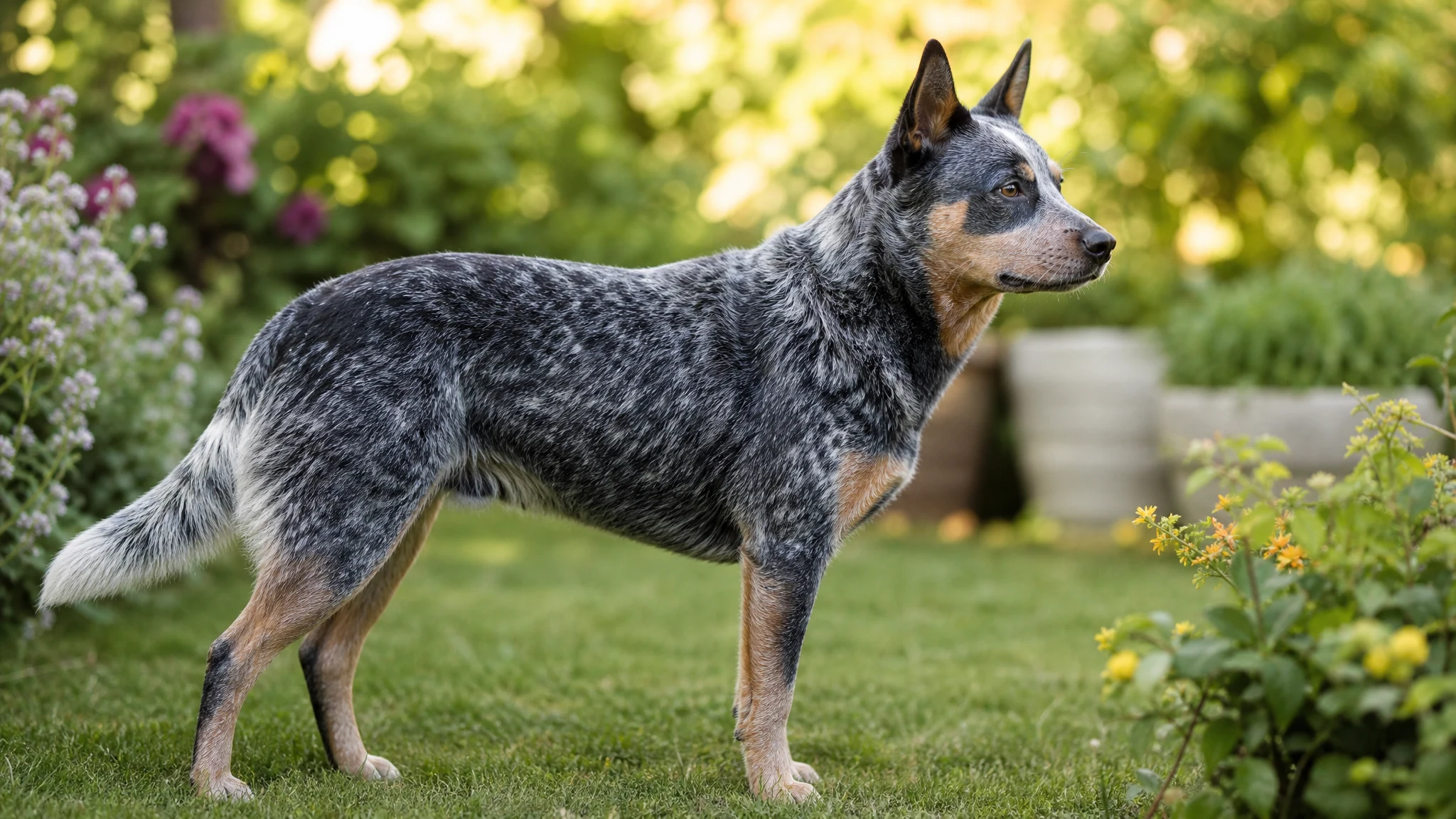
Blue Heeler is the common name for the Australian Cattle Dog, the name used by the Australian Cattle Dog Club of America (ACDCA) and PetMD.
What the Breed Sources Say, and What They Leave Out
PetMD's Australian Cattle Dog page and the ACDCA's "Your New Australian Cattle Dog" page are the official sources we relied on. Neither gave us a shedding amount or a seasonal calendar to quote here. So for exact coat details, ask the ACDCA, a breeder who follows its health testing guidance, or your veterinarian.
The ACDCA does give an adult height of 18-20 inches for males and 17-19 inches for females at the withers. It gives a life expectancy of about 12-16 years. PetMD and MetLife Pet Insurance both list adult weight at 35-50 lb. A medium-sized dog with a long life ahead of it benefits from a routine you can keep up for years.
Materials You Need
- A brush or comb suited to your dog's coat. Ask your groomer or veterinarian which type fits your dog.
- A dog shampoo made for dogs, used only when the dog is actually dirty.
- Towels.
- A lint roller or vacuum for the house.
- A notebook or phone note to track changes in the coat.
- Small, measured treats. PetMD warns that too many treats can lead to overweight Heelers, so count them as part of the day's food.
Step-by-Step Coat Care Routine
Step 1: Start with a baseline week
For one week, brush your dog gently at the same time each day. Notice how much hair comes out on the brush and where it comes from. This gives you your own dog's normal. Write it down in plain words, such as "light" or "a full handful."
You are building a personal record because no source we used gives a number to compare against.
Step 2: Brush on a schedule
Pick a schedule you can keep, such as a few short sessions each week. Brush in the direction the hair grows. Keep sessions calm and short.
Use reward-based handling, in line with the American Veterinary Society of Animal Behavior (AVSAB). Pair the brush with a small treat and praise. Stop before your dog gets restless. Never restrain or punish a dog that dislikes grooming. If your dog dislikes it, slow down and use shorter sessions.
Step 3: Check skin as you go
While you brush, part the hair and look at the skin. Check behind the ears, under the legs and along the base of the tail. Note redness, flakes, bald patches, sores or a strong smell.
Normal shedding leaves skin looking healthy. Patchy loss, constant scratching or sore skin are reasons to call your veterinarian rather than wait out a season.
Step 4: Bathe only when needed
Bathe when your dog is dirty or smelly, not on a fixed calendar. Rinse until no shampoo remains, since leftover soap can irritate skin. Dry well with a towel.
Brush before the bath, because water can tighten loose hair into clumps.
Step 5: Adjust through the seasons
Many dogs with thicker coats lose more hair at certain points in the year. We cannot tell you exactly when your Heeler will, because the sources we used do not say. Let your notes decide.
- When the brush fills faster than your baseline: add a few extra short sessions that week.
- When hair loss settles back to baseline: return to your normal schedule.
- In hot weather: keep water and shade available, and never shave the coat just to cut shedding without asking your groomer or veterinarian first.
- In cold or wet weather: dry your dog fully after outdoor play so damp hair does not mat or irritate skin.
Step 6: Keep the house manageable
Brush outdoors when you can. Wash your dog's bedding regularly. Vacuum the spots where your dog rests most. A lint roller helps with clothing and the car.
Food and Coat: What to Expect and What Not To
Owners often ask whether a particular food will reduce shedding. We cannot promise that, and no source we used says any food will change how much a Heeler sheds. Hair and skin problems can have many causes, and a veterinarian decides what is right for an individual dog.
Food still matters for the basics. PetMD describes the breed as active and says calorically dense, high-quality diets may be ideal. It suggests typically two feedings a day, with amounts that follow the bag guidance and the dog's ideal weight.
If you are comparing foods, look at the AAFCO statement, the ingredient list and the guaranteed analysis. AAFCO sets model language and does not approve or certify pet food. Our label-by-label comparison of foods for Blue Heelers explains how we compared label data. We did not run feeding trials or taste tests.
If you change foods, do it gradually. One brand, Hill's, suggests mixing increasing amounts of the new food with decreasing amounts of the old over 7 days.
Common Mistakes to Avoid
- Assuming a number. Do not rely on internet claims about "light" or "heavy" shedding. Track your own dog.
- Over-bathing. Frequent baths can dry the skin. Bathe when needed.
- Brushing too hard. Rough brushing can make a dog dread grooming. Keep it gentle.
- Shaving the coat. Check with a groomer or veterinarian first.
- Treating skin trouble as shedding. Bald spots, scabs and constant itching need a veterinary exam.
- Overusing treats for grooming cooperation. Use tiny pieces and subtract them from meals.
- Adding supplements on a guess. Ask your veterinarian before giving any supplement to your dog.
Tips That Help
- Begin grooming handling in puppyhood so brushing feels routine.
- Keep a short note after each session, covering the date, the amount of hair and any skin changes.
- Handle paws, ears and tail gently during sessions, so vet and groomer visits go smoothly later.
- Keep your dog at a healthy weight. Ask your veterinarian to confirm what that is for your dog.
Expected Results
With a steady routine, you may find that loose hair ends up on the brush instead of on the furniture. Skin checks may help you spot changes sooner. Brushing sessions may also become calmer as your dog learns the routine.
Results vary by dog, and a routine cannot stop shedding. It can only manage it. If your dog's coat changes suddenly or the skin looks unhealthy, your veterinarian is the right next step.
When to Call Your Veterinarian
- Hair loss in patches, rather than an even thinning.
- Red, flaky, crusted or sore skin.
- Constant scratching, licking or chewing.
- A sudden change in coat quality with no clear reason.
- Any change alongside low energy or appetite changes.