Is 'Blue Heelers' a TV Show or a Dog Breed? Clearing Up the Confusion
General nutrition information compiled from product labels and published sources, not veterinary advice. Your veterinarian is the right person to choose a diet for your dog, especially one with a health condition.
Both. "Blue Heelers" is the title of a television series, and "Blue Heeler" is the everyday name for a dog breed. If you landed here wanting dog food advice, you are in the right place. This guide shows how to sort out which one a person means, and how to find reliable information about the dog.
We cover the dog here. For details about the TV series, check a TV guide or the show's own listing.
What You Need
- The sentence or page where you saw "Blue Heeler(s)"
- A few minutes to check one or two reliable breed sources
- Optional: the food label from your dog's current bag, if you have a dog
Step 1: Look at the Context
Start with the words around the name. A few clues help.
- Mentions of episodes, cast, channels or streaming point to the TV series.
- Mentions of weight, coat, feeding, training or vet visits point to the dog.
- A plural title with capital letters, "Blue Heelers," is often the show. The dog is usually "a Blue Heeler" or "blue heelers" in lowercase.
These are rules of thumb, not guarantees. Writers mix them up all the time.
Step 2: Learn the Dog's Official Name
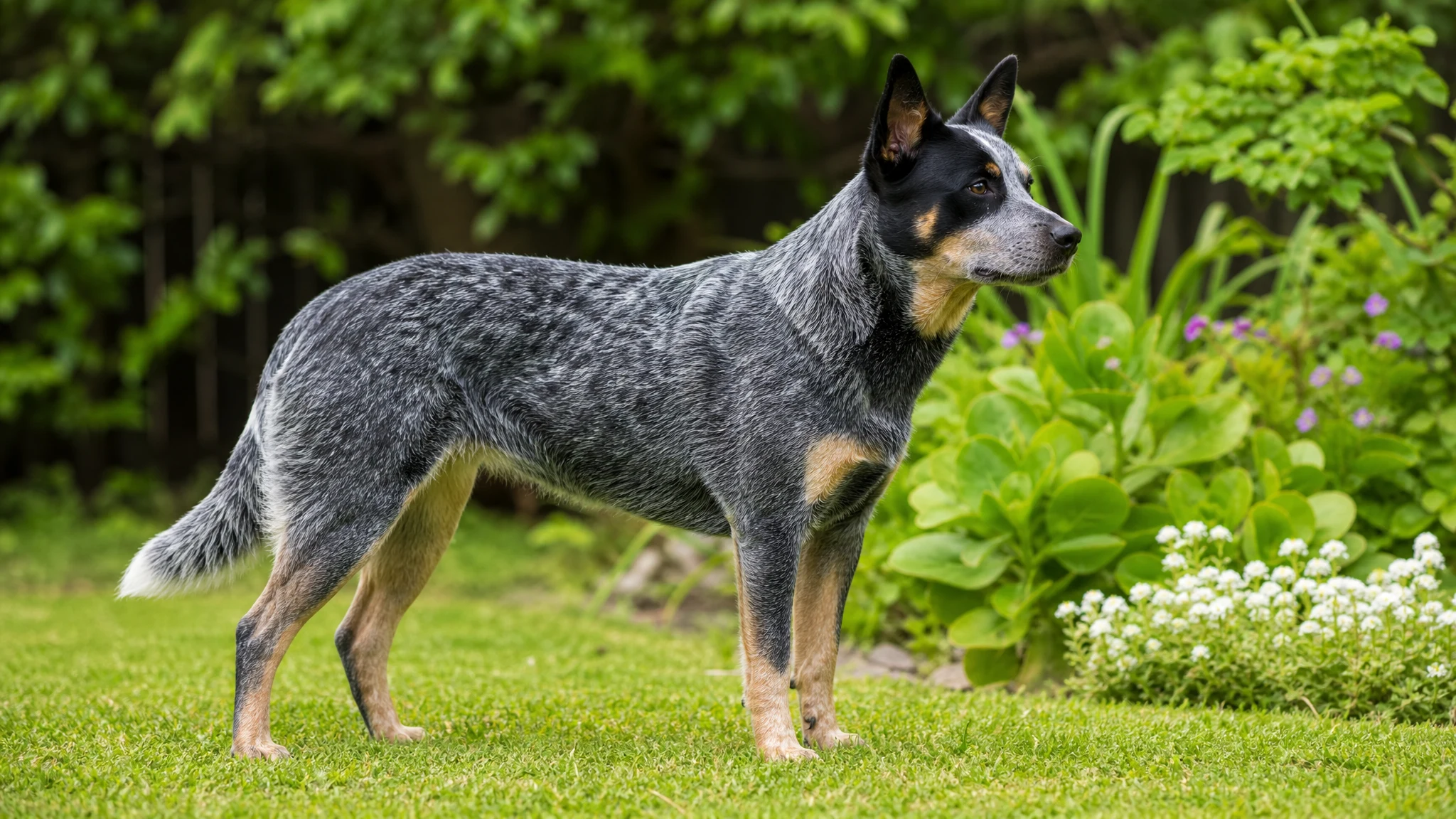
The breed's formal name is Australian Cattle Dog, according to the PetMD Australian Cattle Dog breed page. "Blue Heeler" is the common nickname. PetMD also uses the shorter term "heelers."
Dog clubs and breed health programs use the formal name. When you want health or standards information, search for Australian Cattle Dog. That is the name the Australian Cattle Dog Club of America uses on its pages.
Step 3: Confirm the Size and Lifespan
If a page describes a medium, sturdy working dog, it is talking about the breed. Here is what the sources say:
| Trait | What the source says | Source |
|---|---|---|
| Adult weight | 35-50 lb | PetMD and MetLife Pet Insurance |
| Height at the withers | Males 18-20 in, females 17-19 in | Australian Cattle Dog Club of America |
| Life expectancy | About 12-16 years | Australian Cattle Dog Club of America |
Individual dogs vary. Your own veterinarian can tell you what a healthy weight looks like for your dog.
Step 4: Check the Breed's Health Notes, Carefully
Reliable breed sources list inherited conditions. The Australian Cattle Dog Club of America's OFA-CHIC health testing requirements include hip and elbow evaluation, a BAER hearing test for congenital deafness, and DNA tests for primary lens luxation. PetMD lists progressive retinal atrophy (PRA), which is screened with the prcd-PRA DNA test.
Several of these, such as deafness, lens luxation and PRA, are inherited and are not managed by diet, according to the sources above. Do not treat any dog food as a fix for them. A veterinarian makes those calls for an individual dog.
Step 5: Connect the Breed to Feeding
Once you know you are dealing with the dog, a few feeding points follow from the sources.
- Size class. At 35-50 lb, an adult is below the 70 lb cutoff AAFCO uses for "large-size" dogs, as described by PetHealthMD and Whole Dog Journal. Large-breed puppy formulas are not required for this breed. You will still see the clause "except for growth of large size dogs" on some labels. That wording matters less for a Heeler than for a dog expected to top 70 lb.
- Activity. PetMD describes the breed as active and says calorically dense, high-quality diets may be ideal. It suggests typically two feedings a day, with amounts following the bag guidance and the dog's ideal weight.
- Treats. PetMD warns that too many treats can lead to overweight Heelers.
- Puppies. The IVC Journal says growth rate and calories matter for bone and joint development in any growing dog. PetHealthMD says free-feeding puppies leads to excess weight gain that strains growing bones and joints. Measured meals are the safer habit.
For a deeper look, see our guide to Blue Heeler nutrition and the diet factors that matter.
Step 6: Read the Label, Not the Name
Be skeptical of any food whose packaging leans on the breed name. We did not find a Blue Heeler or Australian Cattle Dog specific formula among the foods we compared. We compared label data only. We did not run feeding trials or taste tests.
Instead, check these things on any bag:
- The AAFCO statement. AAFCO says it sets model language and does not approve or certify pet food (AAFCO, Understanding Pet Food).
- The life stage. AAFCO recognizes gestation/lactation, growth, maintenance and all life stages (AAFCO, Reading Labels).
- The first ingredients, the guaranteed analysis and the calories.
Treat any feeding chart as a starting point. Brands say as much. For example, Royal Canin calls its chart "only a guide." Hill's says to adjust amounts to maintain optimal weight and to ask your veterinarian if unsure. If the label or brand site does not give a detail, ask the brand directly.
Tips and Common Mistakes
- Mistake: assuming a food is made for Heelers because of its name. Check the label instead.
- Mistake: searching only for "Blue Heeler" health data. Try Australian Cattle Dog too, since clubs use that name.
- Mistake: feeding to the bag amount without watching your dog's weight. Adjust with your veterinarian.
- Mistake: blaming or crediting a diet for an inherited condition. The sources treat several of these as not diet related.
- Tip: On the heart question, the FDA's investigation into diet and canine dilated cardiomyopathy (DCM) has a latest update dated December 23, 2022. The FDA calls the link a complex scientific issue that is not resolved, and says adverse event reports alone do not establish cause. Ask your veterinarian about it.
Expected Results
After these steps, you should be able to tell quickly whether a page is about the show or the dog. You should also know to use "Australian Cattle Dog" when looking up breed health information. You may feel more confident reading a food label without relying on breed marketing. No label check replaces your veterinarian's advice for your own dog.
Sources
- PetMD, Australian Cattle Dog breed page
- Australian Cattle Dog Club of America, Your New Australian Cattle Dog
- Australian Cattle Dog Club of America, OFA-CHIC Health Testing Requirements
- MetLife Pet Insurance, Australian Cattle Dog breed spotlight
- AAFCO, Understanding Pet Food
- AAFCO, Reading Labels
- Whole Dog Journal, In the Fine Print: Nutritional Adequacy Statements
- IVC Journal, Feeding large breed puppies
- PetHealthMD, Feeding Your Large Breed Puppy
- FDA CVM, Investigation into Potential Link between Certain Diets and Canine Dilated Cardiomyopathy