What Makes Blue Heeler Puppies So Popular? Looks and Temperament
General nutrition information compiled from product labels and published sources, not veterinary advice. Your veterinarian is the right person to choose a diet for your dog, especially one with a health condition.
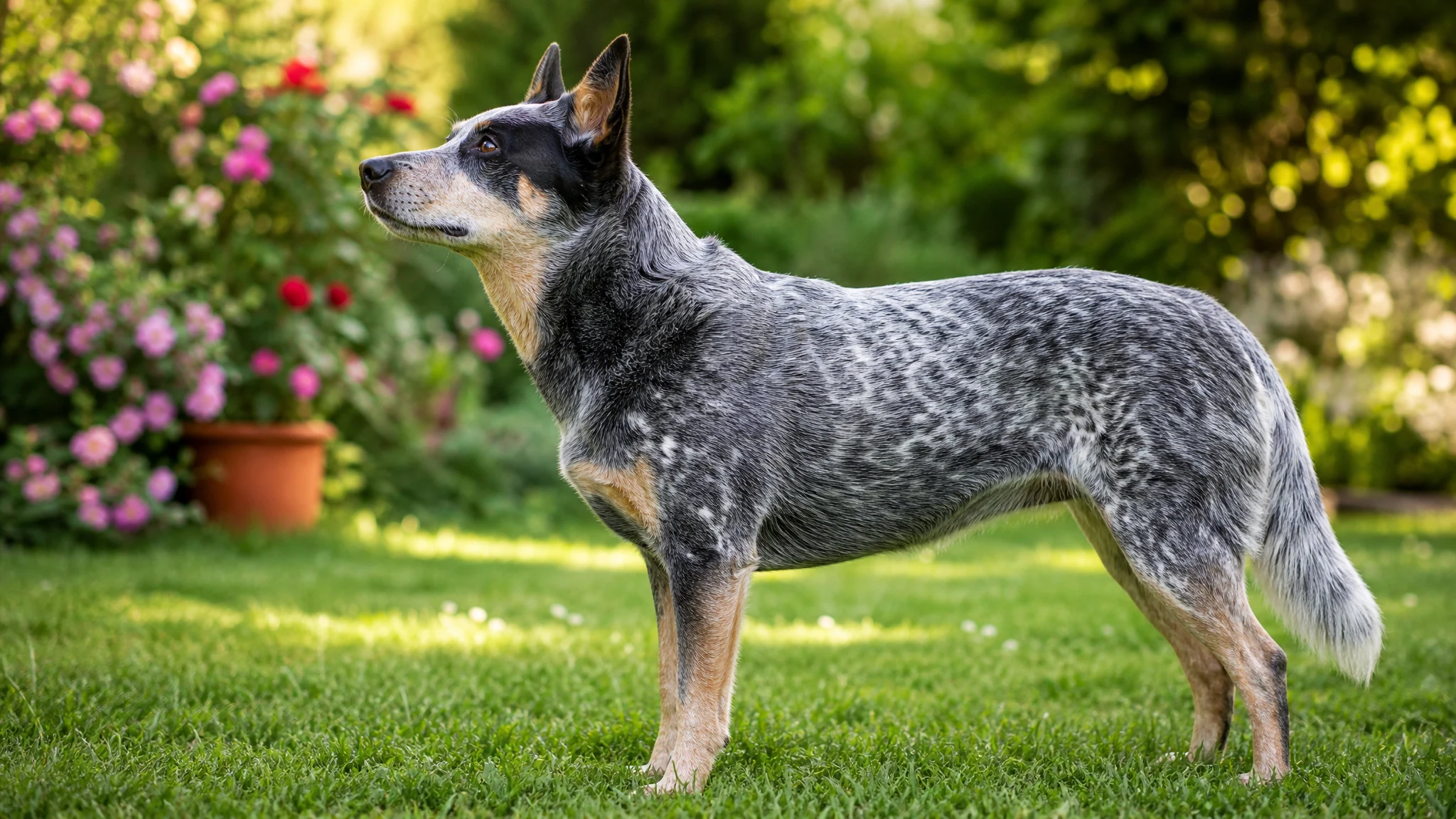
Blue Heeler puppies get a lot of attention. The compact build, the speckled coat and the busy, watchful way they move all catch the eye. But a puppy that looks great in a photo still needs a plan.
This guide works as a short how-to. It walks you through weighing the appeal of the breed against daily reality, then setting up feeding that suits a growing, active dog. It is written by label-readers, not trainers, so the focus stays on what published breed sources say and what food labels show.
First, a note on the name
Blue Heeler is the common name. The breed's formal name is Australian Cattle Dog, which is how the PetMD breed page and the Australian Cattle Dog Club of America (ACDCA) list it. Both names point to the same dog.
What you need before you start
- The ACDCA page "Your New Australian Cattle Dog" and the PetMD breed page, open in a browser for reference.
- A notebook for your honest daily schedule: work hours, exercise time, who is home.
- The names of a few breeders or rescues you could ask about health testing.
- A veterinarian you can call with feeding and growth questions.
- A kitchen scale or measuring cup, and the nutrition panel from any food you are considering.
Step 1: Understand the look that draws people in
Part of the popularity is size. The ACDCA gives adult height as 18 to 20 inches for males and 17 to 19 inches for females, measured at the withers. PetMD and MetLife Pet Insurance both put adult weight at 35 to 50 pounds. That is a medium dog, sturdy but not huge, which suits many homes.
The ACDCA also gives a life expectancy of about 12 to 16 years. That is a long commitment, and it is worth counting before you bring a puppy home.
We have no sourced ranking or registration count to show how popular the breed is compared with others, so we will not put a number on it. The appeal described here comes from the size, the build and the working-dog character that breed sources describe.
Step 2: Look honestly at the temperament
Temperament is where wishful thinking causes the most trouble. PetMD describes the Heeler as an active breed. That one word should shape your whole plan. An active dog with little to do tends to find its own jobs, and owners rarely like the choices.
The published breed standards and club pages go into detail on character. We could not draw specific temperament claims from them here, so read the ACDCA page directly and ask breeders and rescue groups how their dogs behave at home. Ask about energy, how the dogs handle being alone, and how they do around children and other pets.
Write down your own answer to this question: can I give a dog like this real activity every day, for years? If the answer is shaky, that is useful to know before the puppy arrives.
Step 3: Ask about health testing
Popular puppies are not automatically well-bred puppies. The ACDCA publishes its OFA-CHIC health testing requirements for the breed. They include hip and elbow evaluation, an OFA evaluation for congenital deafness based on a BAER test, and a DNA test for primary lens luxation.
PetMD also lists progressive retinal atrophy (PRA), which is screened with a DNA test. None of these are diet-managed conditions, so food will not stand in for good breeding. Ask any breeder which tests the parents have had and request the results.
Step 4: Choose a puppy food that fits a medium dog
Your Heeler will be a medium dog, so you do not need a large-breed puppy formula. AAFCO defines large-size dogs as those expected to reach 70 pounds or more as an adult. At 35 to 50 pounds, a Heeler falls well below that line.
Check the AAFCO statement on the bag. The label should say the food meets AAFCO nutrient levels for growth or for all life stages. AAFCO says it sets model language and does not approve or certify pet food, so the statement is the manufacturer's claim, not an AAFCO endorsement.
Some statements end with "except for growth of large size dogs." That wording is not a problem for a Heeler, because Heelers are not in the large-size class. Here is how a few label statements read, based on what each brand publishes:
| Food | Label statement | Calories listed |
|---|---|---|
| Royal Canin Size Health Nutrition Medium Puppy (dry) | Growth, including large size dogs | 410 kcal ME per cup, calculated |
| VICTOR Hi-Pro Plus Small & Medium Breed Puppy | All life stages, except growth of large size dogs | 383 kcal per cup |
We compared label data only. We did not run feeding trials or taste tests, and neither of these foods is a recommendation. Neither brand lists kibble size on the pages we read, so check with the brand if that matters for your puppy. For a wider comparison, see our label-by-label dog food comparison for Blue Heelers.
Step 5: Set up a feeding routine
PetMD says calorically dense, high-quality diets may suit this active breed, with typically two feedings a day. It also says amounts should follow the bag guidance and the dog's ideal weight.
- Start with the label guide. Treat the feeding chart as a starting point, not a rule. Royal Canin's own page calls its guide "only a guide."
- Weigh or measure each meal. Royal Canin notes that grams are the most accurate way to measure.
- Use set meal times. Puppy feeding schedules vary by food and age, so follow the product page and your veterinarian. VICTOR's puppy page, for example, describes four feeding intervals spread through the day.
- Do not free-feed. The IVC Journal says growth rate and calories matter for developmental orthopedic disease in any growing dog, and free-feeding is discouraged. PetHealthMD says free-feeding puppies leads to excess weight gain that strains growing bones and joints.
- Review at checkups. Ask your veterinarian whether your puppy's growth and body condition look right, and adjust portions with their guidance.
Step 6: Count the treats
PetMD warns that too many treats lead to overweight Heelers. Training a bright, eager puppy often means lots of small rewards, and they add up fast.
Use part of the daily kibble as training rewards. Keep any extra treats small, and cut back the meal if the treat count rises. Reward-based training is the approach the American Veterinary Society of Animal Behavior (AVSAB) supports, and it works well with a food-motivated puppy.
Tips that make the plan easier
- Switch foods slowly. Hill's suggests mixing increasing amounts of the new food with decreasing amounts of the old over 7 days.
- Keep one written feeding record. It makes vet conversations simpler.
- Compare foods using the same measure. Some labels give a guaranteed minimum, while others give only a dry matter average, so the numbers are not always comparable.
- Compare calories per cup, not just protein. A food with more calories per cup needs a smaller portion.
- Keep your puppy's exercise and mental work steady. An active breed can get restless when routines vanish.
Common mistakes to avoid
- Buying on looks alone. A pretty coat says nothing about health testing or temperament.
- Choosing a large-breed puppy formula by habit. It is not required for a 35 to 50 pound dog.
- Trusting front-of-bag marketing. Words like "premium" or "natural" are not nutrient claims. The AAFCO statement and the ingredient list tell you more.
- Expecting food to fix inherited problems. Hip and elbow dysplasia, deafness and eye conditions are tested through breeding and veterinary evaluation. A veterinarian decides what is right for an individual dog.
- Overlooking the FDA's DCM note. The FDA's latest update on diet and canine dilated cardiomyopathy is dated December 23, 2022. The agency calls the link a complex scientific issue that is not resolved, and says adverse event reports alone do not establish cause. If you have questions, raise them with your veterinarian.
What results to expect
Careful matching of dog and owner may help you avoid a mismatch, but no plan can promise a particular outcome. Puppies differ.
A complete and balanced puppy food, measured portions and steady exercise may support steady growth and a healthy weight. Your veterinarian is the right person to confirm whether your own puppy is on track.
If you read the breed sources, ask about health tests and plan for daily activity, you will probably have a clearer sense of whether a Blue Heeler puppy suits your home. The popularity is easy to understand. Whether the breed fits you is a separate question, and it is worth answering before you commit.
Sources
- PetMD, Australian Cattle Dog breed page
- Australian Cattle Dog Club of America, Your New Australian Cattle Dog
- Australian Cattle Dog Club of America, OFA-CHIC Health Testing Requirements
- MetLife Pet Insurance, Australian Cattle Dog breed spotlight
- AAFCO, Understanding Pet Food
- AAFCO, Reading Labels
- IVC Journal, Feeding large breed puppies
- PetHealthMD, Feeding Your Large Breed Puppy
- FDA CVM, Investigation into Potential Link between Certain Diets and Canine Dilated Cardiomyopathy
- Royal Canin, Medium Puppy product page
- VICTOR, Hi-Pro Plus Small & Medium Breed Puppy product page