Blue Heelers: The TV Show vs the Dog Breed, Explained
General nutrition information compiled from product labels and published sources, not veterinary advice. Your veterinarian is the right person to choose a diet for your dog, especially one with a health condition.
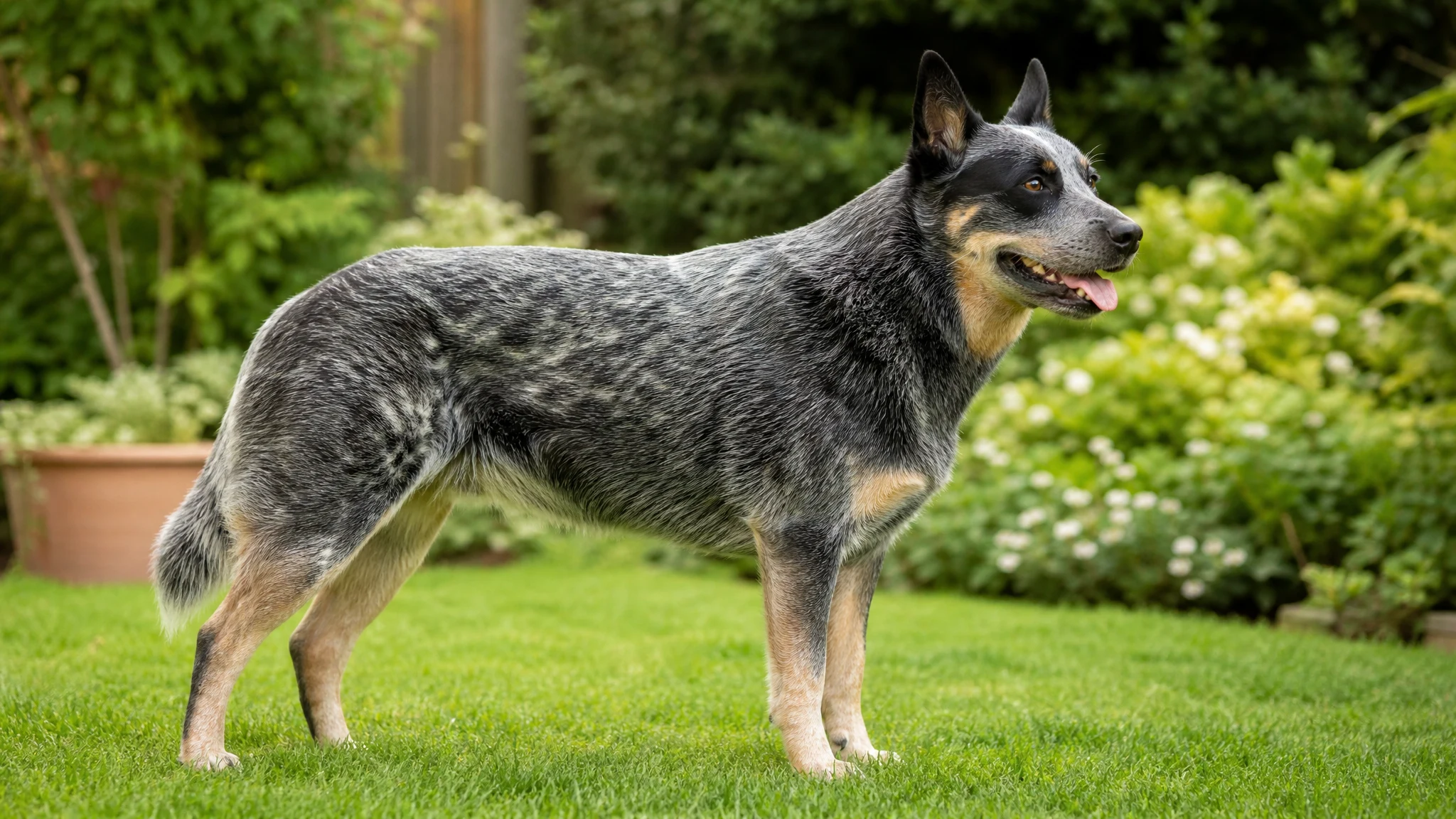
Type "Blue Heelers" into a conversation and two things can come to mind. One is a television series that carries the name. The other is the working dog, officially called the Australian Cattle Dog, that people nickname the Blue Heeler.
This guide shows how to keep the two apart. Then it shows how to use the real breed's facts to choose food. It does not cover the show's cast or plot. For those, check the broadcaster or the show's official channels.
What you need
- The name you saw or heard: show, dog, or both.
- A few minutes to read the breed facts below.
- The food bag or can you are considering, so you can read its label.
- Your veterinarian's contact details, for questions about your own dog.
Step 1: Separate the name from the animal
"Blue Heeler" is the common name for the dog. The official breed name is Australian Cattle Dog, as used by PetMD and the Australian Cattle Dog Club of America (ACDCA). A show that borrows the nickname tells you nothing about a real dog's size, health or food needs.
So when a page, video or friend says "Blue Heelers," ask which one they mean. Only facts about the breed apply to your dog's bowl.
Step 2: Learn the real dog's size
PetMD and MetLife Pet Insurance both list an adult weight of 35 to 50 pounds. The ACDCA says males stand 18 to 20 inches at the withers and females 17 to 19 inches. That makes the Blue Heeler a medium dog.
The ACDCA gives a life expectancy of about 12 to 16 years. That is a long time to feed one dog well, so small habits add up.
Step 3: Understand the energy level
PetMD describes the breed as active. It says calorically dense, high-quality diets may be ideal, usually fed in two meals a day. It also says amounts should follow the bag guidance and the dog's ideal weight.
A TV character's constant action is not a feeding plan. Your own dog's activity, age and body condition matter more. Your veterinarian can help you judge them.
Step 4: Read the label, not the logo
The Association of American Feed Control Officials (AAFCO) says it sets model language and does not approve or certify pet food. Its guide to reading labels lists the recognized life stages: gestation/lactation, growth, maintenance and all life stages.
Find the nutritional adequacy statement on the bag. It tells you which life stage the food is formulated for. Then look at the ingredient list and the guaranteed analysis.
For puppies, there is one more thing to check. AAFCO's large-size class means dogs expected to weigh 70 pounds or more as adults, according to Whole Dog Journal and PetHealthMD. A Blue Heeler at 35 to 50 pounds is below that line. So a large-breed puppy formula is not required.
Step 5: Compare a few labels
We compared label data from the brands' own pages. We did not run feeding trials or taste tests. Here is what those labels say, and nothing more.
| Food | Life stage on label | Label detail |
|---|---|---|
| Royal Canin Size Health Nutrition Medium Adult | Adult maintenance | Dry. Minimum protein 23.0%, minimum fat 12.0%. 340 kcal per cup. |
| Royal Canin Size Health Nutrition Medium Puppy | Growth, including large-size dogs | Dry. Minimum protein 30.0%, minimum fat 18.4%. 410 kcal per cup. |
| Hill's Science Diet Adult Perfect Digestion Chicken & Barley | Adult maintenance | Dry. 368 kcal per cup. The page gives dry matter averages, not guaranteed minimums. |
| VICTOR Hi-Pro Plus | All life stages except growth of large-size dogs | Dry. Minimum protein 30.0%, minimum fat 20.0%. 406 kcal per cup. |
| Freshpet Tender Chicken Recipe with Carrots, Peas & Brown Rice | Adult maintenance | Fresh roll. Minimum protein 9.5%, minimum fat 7%. 1394 kcal per kg. |
Wet and fresh foods hold more water, so their percentages are not directly comparable to dry food. The brand pages do not list kibble size, so check with the brand if that matters for your dog.
The VICTOR label carries the "except for growth of large size dogs" wording. That is not a problem for a Blue Heeler puppy, because the breed is not in the large-size class. The brand page for its small and medium puppy recipe is the place to confirm details.
None of these is a Blue Heeler or Australian Cattle Dog formula. No breed-specific formula turned up in the sources.
Step 6: Set a starting amount
Feeding guides on the bag are starting points. Royal Canin's page calls its guide "only a guide" and suggests two to four equal portions a day. Hill's says to adjust amounts to maintain optimal weight and to ask your veterinarian if unsure.
Free-feeding puppies leads to excess weight gain that strains growing bones and joints, per PetHealthMD. Measure meals instead. For a rundown by age, see our Blue Heeler feeding chart by age.
Step 7: Watch the treats
PetMD warns that too many treats can lead to overweight Heelers. It does not list obesity as a breed predisposition. Count treats as part of the day's food, and ask your veterinarian how much room to leave for them.
Tips
- Check the brand's own page for current label details. Formulas can change.
- Switch foods gradually. Hill's suggests mixing increasing amounts of the new food with decreasing amounts of the old over 7 days.
- Weigh your dog on a regular schedule and bring the numbers to your veterinarian.
Common mistakes
- Treating the show as breed information. A TV title does not describe a real dog's needs.
- Assuming a large-breed puppy formula is required. At 35 to 50 pounds, Blue Heelers are below AAFCO's 70 pound cutoff.
- Trusting front-of-bag claims. Read the adequacy statement and ingredients instead.
- Expecting food to fix health problems. The ACDCA's health testing list includes hip and elbow evaluation, deafness testing and eye DNA tests. PetMD describes progressive retinal atrophy as inherited and not diet-managed. Your veterinarian decides what is right for an individual dog.
- Reacting to headlines about diet and heart disease. The FDA's investigation into diet and canine dilated cardiomyopathy (DCM) was last updated December 23, 2022. The FDA calls the link a complex scientific issue that is not resolved, and says adverse event reports alone do not establish cause. If you are worried, talk with your veterinarian.
What to expect
Following these steps may help you cut through name confusion and read a label with more confidence. A food with a suitable life stage statement and a measured portion may help support a healthy weight. Results vary from dog to dog, and your veterinarian is the right person to check progress.
Sources
- PetMD, Australian Cattle Dog breed page
- MetLife Pet Insurance, Australian Cattle Dog breed spotlight
- Australian Cattle Dog Club of America, Your New Australian Cattle Dog
- Australian Cattle Dog Club of America, OFA-CHIC Health Testing Requirements
- AAFCO, Understanding Pet Food
- AAFCO, Reading Labels
- Whole Dog Journal, In the Fine Print: Nutritional Adequacy Statements
- PetHealthMD, Feeding Your Large Breed Puppy
- FDA CVM, Investigation into Potential Link between Certain Diets and Canine DCM