What to Know Before Buying a Blue Heeler Puppy From a Breeder
General nutrition information compiled from product labels and published sources, not veterinary advice. Your veterinarian is the right person to choose a diet for your dog, especially one with a health condition.
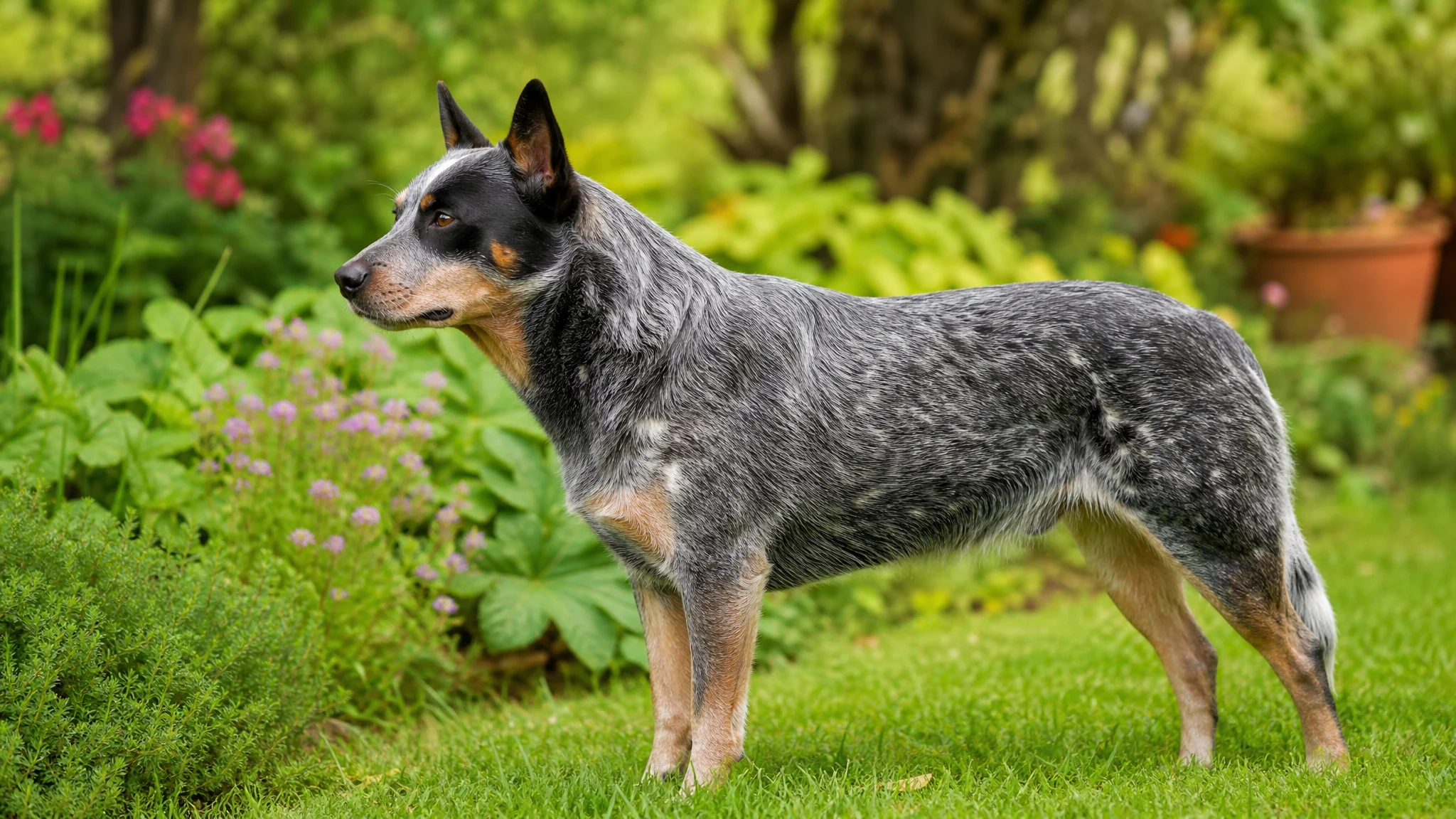
The Blue Heeler is the common name for the Australian Cattle Dog, the name used by the Australian Cattle Dog Club of America (ACDCA). A puppy from this breed can share your life for a long time. The ACDCA gives a life expectancy of about 12 to 16 years. That is a good reason to slow down and choose the breeder carefully.
This guide walks you through the process in order. It covers what to gather, what to ask, what to look for, and how to plan the first weeks of feeding. We did not visit, test or review any breeder. Everything here comes from the breed club, breed health sources and the food makers' own label data.
What You Need Before You Start
- A list of questions for the breeder, based on the steps below.
- A notebook or phone notes to record each answer.
- The name of your veterinarian, so you can book a first visit.
- A plan for the first food, including how you will measure portions.
- A budget you have checked yourself. Prices vary by breeder, so ask each one directly.
- Patience. A good match can take time.
Step 1: Know the Dog You Are Getting
The ACDCA describes males at 18 to 20 inches and females at 17 to 19 inches at the withers. MetLife Pet Insurance and PetMD both list an adult weight of 35 to 50 pounds. That makes the breed medium sized.
This matters for food. The AAFCO large-size cutoff is 70 pounds as an adult, so a Blue Heeler is not in that class. Large-breed puppy formulas are not required for this breed, according to IVC Journal's discussion of feeding large breed puppies.
PetMD also describes the breed as active. Be honest about your daily routine before you commit to a puppy.
Step 2: Ask Which Health Tests the Parents Have Had
This is the most important step. The ACDCA lists OFA-CHIC health testing requirements for the breed. A breeder who follows them should be able to tell you which tests the parents have had and what the results were.
According to the ACDCA's CHIC requirements, the core tests are:
- Hip evaluation and elbow evaluation, for hip and elbow dysplasia.
- An OFA hearing evaluation based on the BAER test, for congenital deafness.
- A DNA test for primary lens luxation, an inherited eye condition.
- A DNA test for prcd-PRA, which screens for progressive retinal atrophy, an inherited eye disease.
The ACDCA also lists some optional tests. These include patellar luxation, a cardiac exam, an rcd4 PRA DNA test, PennHIP at 6 months and hock OCD radiographs. Ask whether the breeder has done any of them.
Ask to see the paperwork, not just hear a promise. If a breeder cannot or will not show test results, treat that as useful information. Several of these conditions are inherited and are not related to diet. Good food cannot replace good screening.
Step 3: Ask About Both Parents and the Living Conditions
Ask to meet the mother. Ask whether you can see the father or at least his records. Notice how the dogs behave around people and whether the space is clean.
Useful questions include:
- How old are the puppies, and when would they go home?
- What have the puppies eaten so far?
- What vaccines and vet checks have they had?
- Will there be a written contract, and what does it say?
- What happens if you can no longer keep the dog?
We do not have a source that sets a go-home age or contract standard for this breed. Ask your veterinarian and the ACDCA what they recommend, and compare that with what the breeder says.
Step 4: Ask What the Puppy Is Eating Now
A sudden food change can upset a young puppy's stomach. Ask the breeder for the exact brand and product, and ask how much and how often the puppies eat. Get the answer in writing if you can.
Hill's Science Diet advises that when you switch foods, you should gradually mix increasing amounts of the new food with decreasing amounts of the old food over 7 days. Keeping the breeder's food for the first days gives you time to make that change gradually.
Step 5: Read the Label on the Puppy Food
We compared label data from the brands' own pages. We did not run feeding trials or taste tests, so we cannot say how any dog does on any food.
Start with the AAFCO statement. AAFCO explains that it sets model language and does not approve or certify pet food. The statement on the bag tells you which life stage the food is formulated for. AAFCO recognizes gestation and lactation, growth, maintenance, and all life stages.
For a growing Blue Heeler, look for a statement covering growth or all life stages. Two examples from the brands' own pages:
- The Royal Canin Size Health Nutrition Medium Puppy statement covers growth, including growth of large size dogs. The label lists 30 percent minimum protein, 18.4 percent minimum fat and 410 kcal ME per cup.
- The VICTOR Hi-Pro Plus Small & Medium Breed Puppy statement covers all life stages except growth of large size dogs. The label lists 30 percent minimum protein, 18 percent minimum fat and 383 kcal per cup.
The "except for growth of large size dogs" wording is not a problem for a Blue Heeler, because the breed is under the 70 pound cutoff. Whole Dog Journal explains that foods with that wording should not be fed to large-breed puppies. Kibble size is not listed on either brand page, so check with the brand if it matters to you.
Neither of these is a recommendation for your puppy. They show how to read a label. Your veterinarian decides what suits an individual dog.
Step 6: Plan How You Will Portion Meals
Free-feeding puppies leads to excess weight gain that strains growing bones and joints, according to PetHealthMD. IVC Journal also notes that growth rate and calories matter for developmental orthopedic disease in any growing dog, and it discourages free-feeding.
The ACDCA's CHIC requirements list hip and elbow dysplasia as joint conditions to screen for. Keeping a puppy lean is a sensible habit, but no food prevents or treats these conditions. PetMD notes that hip dysplasia is uncommon in the breed.
Use the bag's feeding guide as a starting point and adjust with your veterinarian. PetMD says amounts should follow the bag guidance and the dog's ideal weight. For age-by-age numbers, see our Blue Heeler feeding chart by age.
Step 7: Prepare for the First Vet Visit
Book a visit soon after the puppy comes home. Bring the breeder's paperwork, the test results for the parents, and the name of the food the puppy has been eating. Ask your veterinarian about growth, body condition and a feeding plan.
Tips
- Compare at least two or three breeders before you decide.
- Write your questions down so you ask every breeder the same ones.
- Keep treats small. PetMD warns that too many treats can lead to overweight Heelers.
- Weigh food in grams if you can. Royal Canin notes that grams are the most accurate way to measure.
- Check the ACDCA for its guidance on finding a breeder.
Common Mistakes to Avoid
- Accepting a verbal promise about health. Ask for the test results for the parents.
- Assuming a certain food fixes inherited problems. PRA, deafness and primary lens luxation are inherited. PetMD and the ACDCA do not describe them as diet-managed.
- Buying a large-breed puppy food by default. A 35 to 50 pound dog is not in AAFCO's large-size class.
- Switching food on day one. Change gradually over about a week.
- Leaving a full bowl out all day. Measured meals are easier to adjust. PetMD says Heelers typically eat twice a day, though a young puppy often needs more meals. Ask your veterinarian.
- Skipping the label. Marketing words on the front of a bag do not replace the AAFCO statement and ingredient list.
What to Expect
Careful screening questions and a slow food transition may help you start with fewer surprises. They do not guarantee a healthy dog. Even well-bred puppies can develop health problems, and food choices cannot promise any particular outcome. Your veterinarian is the right person to track your puppy's growth and adjust the plan.
Sources
- Australian Cattle Dog Club of America, Your New Australian Cattle Dog
- Australian Cattle Dog Club of America, OFA-CHIC Health Testing Requirements
- PetMD, Australian Cattle Dog breed page
- MetLife Pet Insurance, Australian Cattle Dog breed spotlight
- AAFCO, Understanding Pet Food
- AAFCO, Reading Labels
- Whole Dog Journal, In the Fine Print: Nutritional Adequacy Statements
- IVC Journal, Feeding large breed puppies
- PetHealthMD, Feeding Your Large Breed Puppy
- Hill's Pet Nutrition, Science Diet product page
- Royal Canin US, Medium Puppy product page
- VICTOR Pet Food, Hi-Pro Plus Small & Medium Breed Puppy